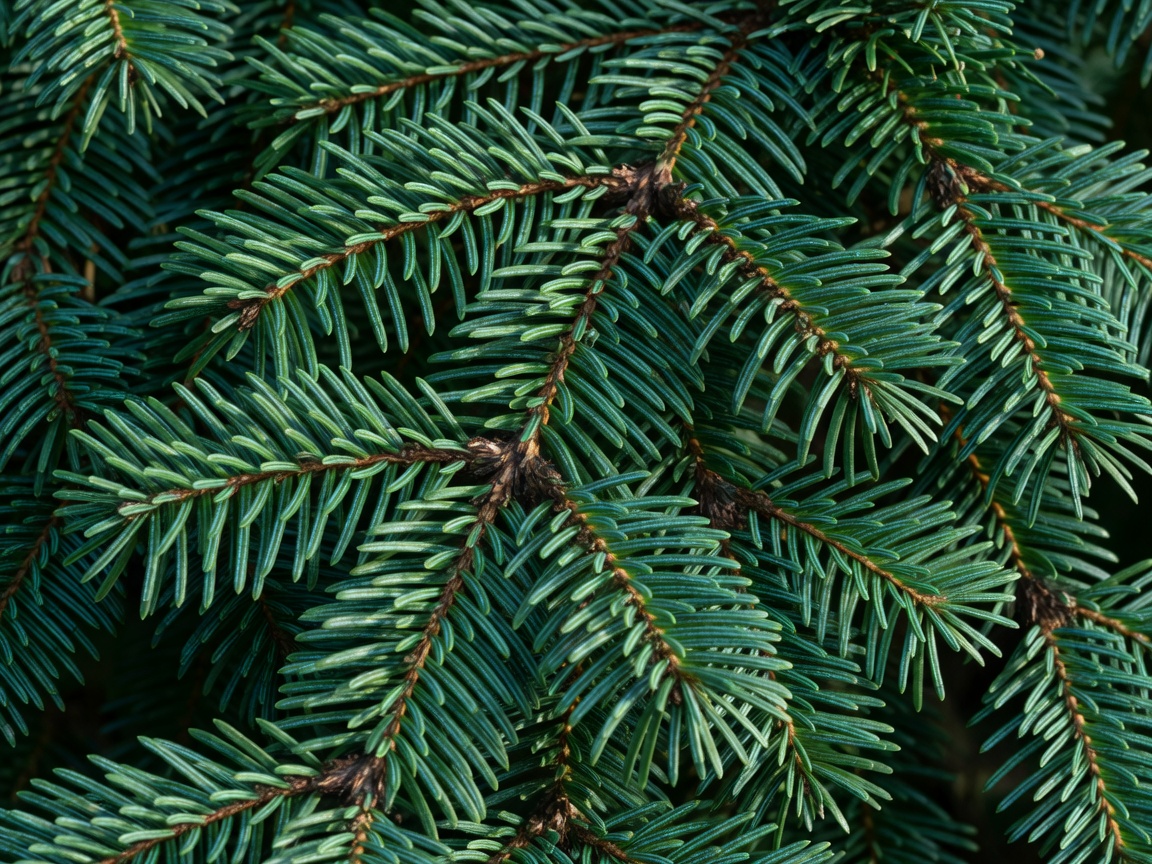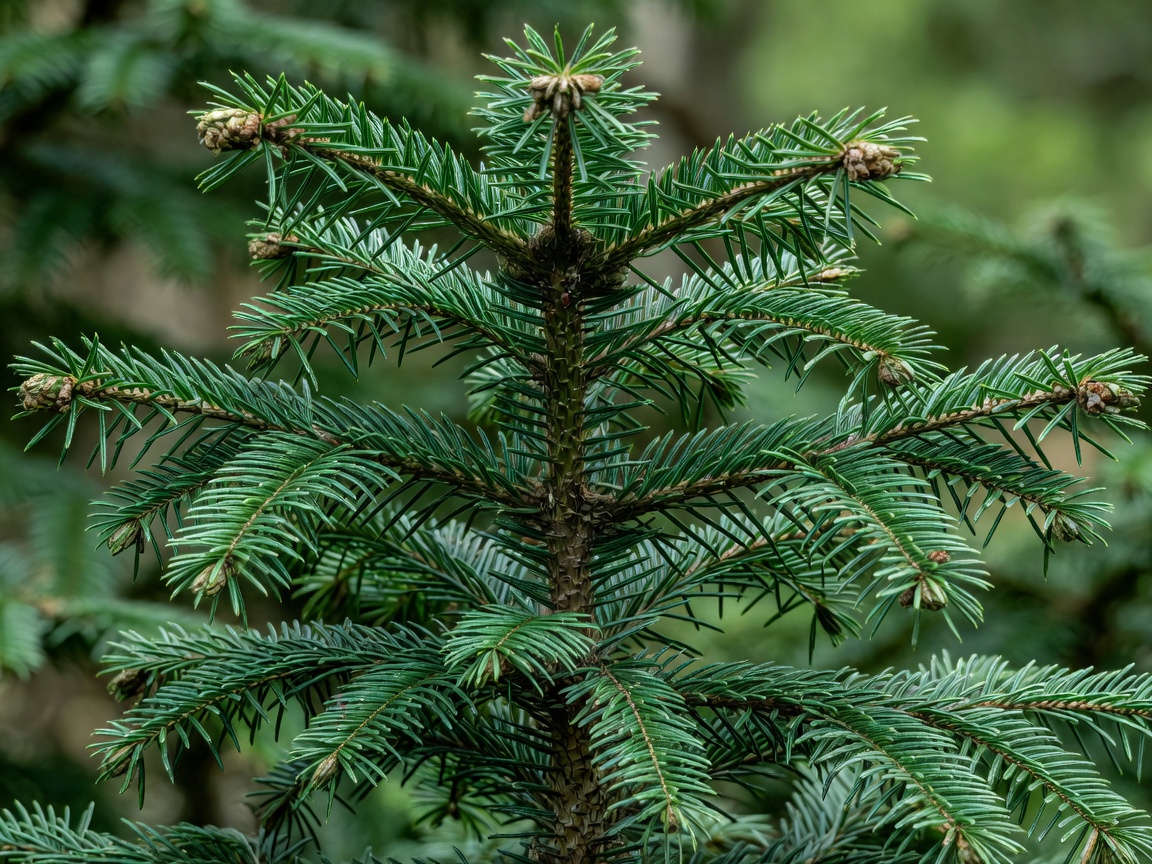
Comparative Anatomy & Morphometrics
Dissecting the rigid, pectinate 15–20mm needles, lateral resin canals, and cylindrical erect strobili that distinguish the Sicilian fir from Spanish and Silver counterparts.
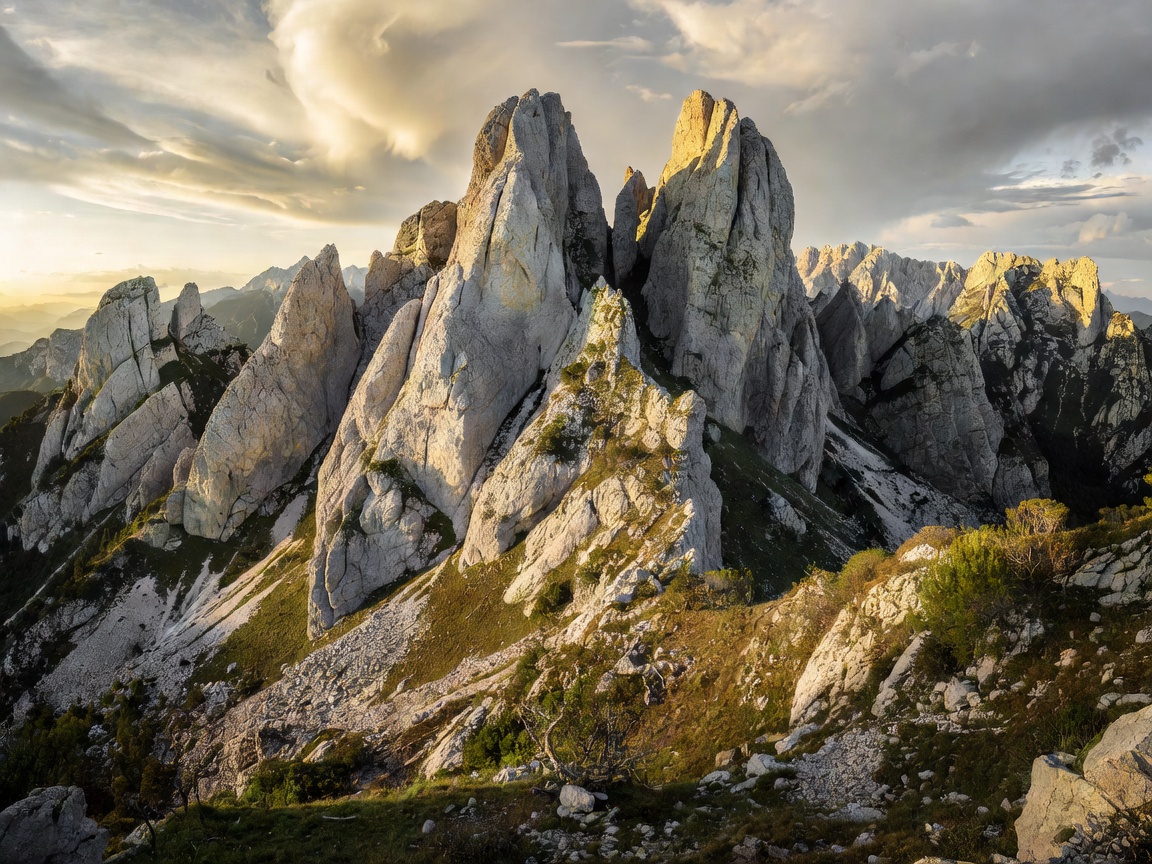
Discovered in the rugged limestone crags of northern Sicily’s Madonie Mountains, Abies nebrodensis is one of Europe's rarest endemic conifers. Once presumed extinct by 1900 due to severe historic logging and grazing pressures, this magnificent evergreen represents a relict bridge between ancient Mediterranean Tertiary forests and contemporary biodiversity conservation.
In-depth technical chapters chronicling the morphological distinctiveness, environmental bioclimatology, and multi-decade scientific efforts protecting Sicily's singular conifer.
Dissecting the rigid, pectinate 15–20mm needles, lateral resin canals, and cylindrical erect strobili that distinguish the Sicilian fir from Spanish and Silver counterparts.
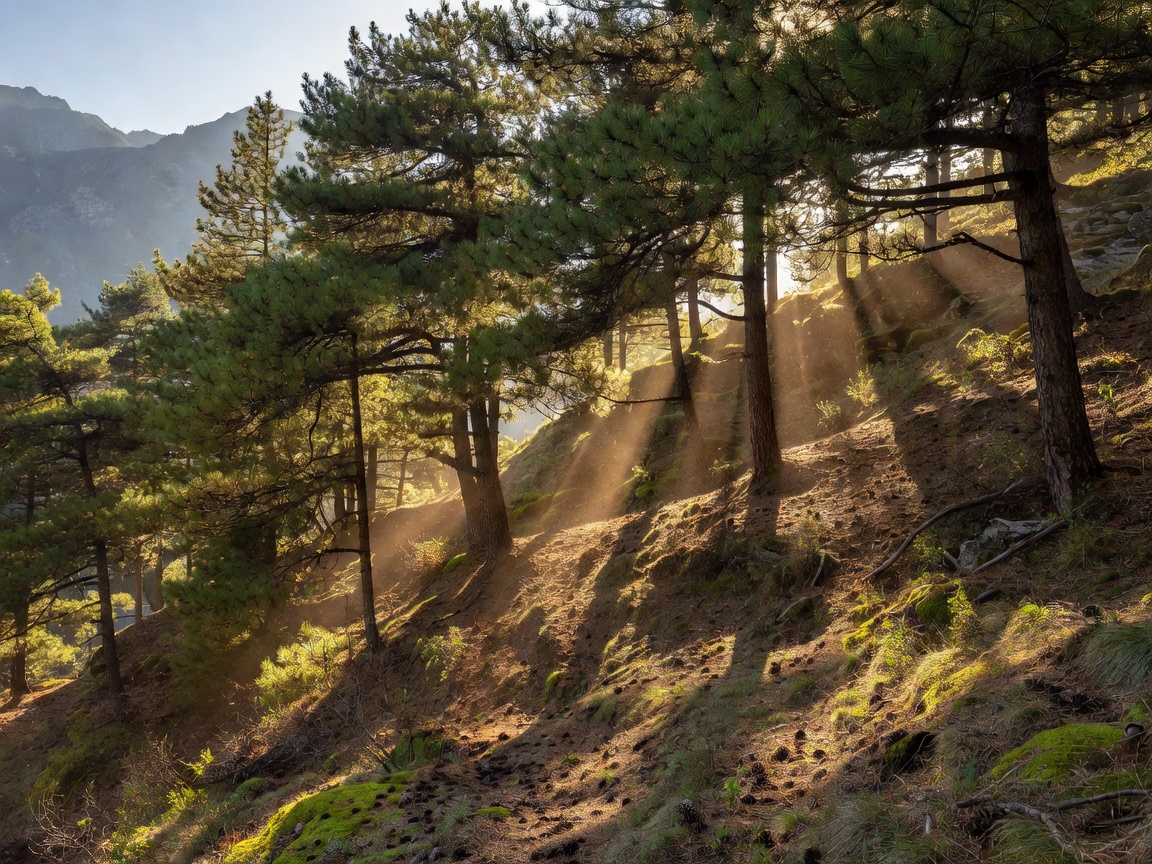
Why the steep, calcified talus slopes of Vallone Madonna degli Angeli served as an isolated Pleistocene sanctuary sheltered from scorching Mediterranean summers.
The historical record of its 1957 re-identification by Michele Lojacono's notes, subsequent propagation programs, controlled seed pollination, and clone banks.
A morphological review comparing Abies nebrodensis against related circum-Mediterranean fir taxa.
| Diagnostic Trait | Abies nebrodensis (Sicilian Fir) | Abies alba (Silver Fir) | Abies pinsapo (Spanish Fir) | Abies cephalonica (Greek Fir) |
|---|---|---|---|---|
| Natural Distribution | Madonie Mountains, Sicily (Endemic) | Central & Southern European Mountains | Southern Spain (Sierra de Grazalema) | Peloponnese & Greek Pindus Mts |
| Foliage Arrangement | Rigid, densely set, slightly pectinately spreading | Flattened, two-ranked combs | Symmetrically radially arranged | Spirally arranged, pointing forward |
| Needle Apex | Blunt or slightly emarginate (notched) | Deeply notched at tip | Thick, sharp-pointed or obtuse | Sharply pungent and acute |
| Cone Morphology | 7–10 cm, protruding reflexed bracts | 10–16 cm, hidden or slightly exerted bracts | 9–16 cm, bract scales enclosed | 12–16 cm, reflexed bracts with long tips |
| Wild Population | ~30 wild mature trees (Critically Endangered) | Abundant widespread forestry stands | Vulnerable, fragmented relict groves | Locally common montane populations |
Overharvesting for shipbuilding timber and intensive livestock foraging in the late 19th century depleted the population. Prominent botanists assumed the taxon had vanished entirely from Sicily.
Botanist Michele Lojacono’s historic herbarium notes prompted regional foresters to locate a small stand of 29 surviving adult individuals clinging to the high karst cliffs of Polizzi Generosa.
Installation of high-altitude anti-ungulate exclusion fencing, cryopreservation of viable embryo axes at Palermo Botanical Garden, and artificial cross-pollination to counteract severe inbreeding depression.